
Modern cities are in a constant state of evolution and growth, often expanding beyond their conventional limits to incorporate new growth, innovation, and lifestyles. In areas bordering the sea, this evolution often creates a unique interface between cities and nature. However, nowhere is this evolution more apparent than in Palm Jebel Ali, a revolutionary island city that is pushing the boundaries of urban design.
Situated on the coastline in Dubai, Palm Jebel Ali is a revolutionary concept in urban living that seeks to take the very essence of a city and expand it into the sea. It is not simply a matter of constructing a city near the sea but creating a new living environment where architecture, infrastructure, and nature come together.
A Vision Beyond the Shoreline
Dubai has become globally recognized for its ambitious urban projects, many of which challenge conventional city-planning ideas. Palm Jebel Ali continues this tradition by expanding the city outward into the waters of the Arabian Gulf.
Developed by Nakheel, the project is part of a broader strategy to expand Dubai’s coastline and create new residential, leisure, and tourism destinations.
Unlike traditional coastal developments that sit beside the water, Palm Jebel Ali is designed to exist within it. The island’s layout allows residents to live surrounded by the sea, turning the ocean into an integral part of everyday life.
This concept transforms the boundary between land and water into a seamless transition.
The Palm-Shaped Master Plan
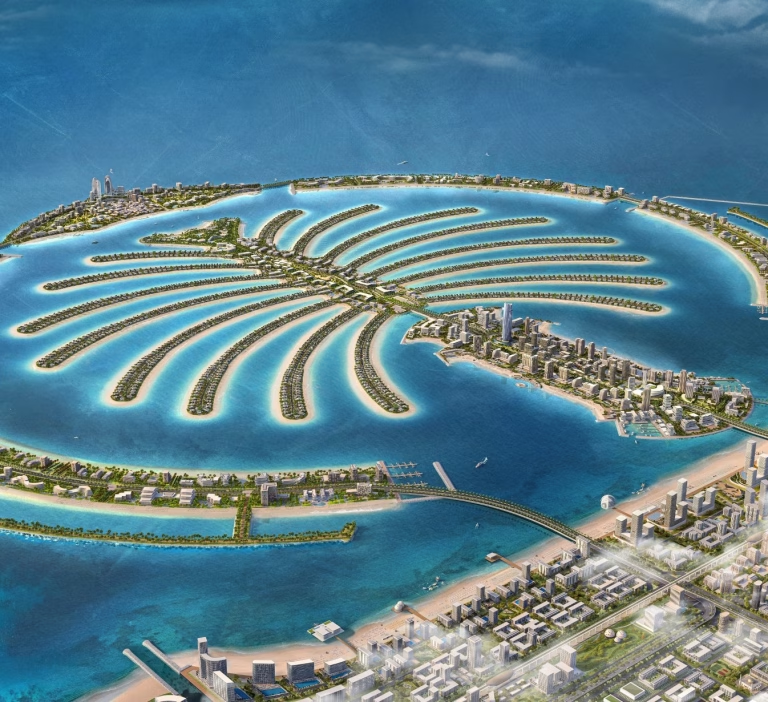
The defining feature of Palm Jebel Ali is its iconic palm-tree shape, an engineering and design solution that maximizes waterfront access while creating a distinctive urban layout.
The island consists of three key components:
The Trunk
The trunk serves as the central connection between the island and mainland Dubai. It contains transportation routes, community services, and mixed-use developments.
The Fronds
Multiple fronds extend outward from the trunk, each lined with luxury waterfront villas. This design ensures that many homes enjoy direct access to beaches and uninterrupted sea views.
The Crescent
The outer crescent acts as a protective barrier against ocean waves while also providing space for resorts, leisure destinations, and entertainment venues.
Together, these elements create a carefully structured environment where urban life and coastal landscapes coexist.
Expanding Dubai’s Coastline
One of the most significant impacts of Palm Jebel Ali is the dramatic increase in Dubai’s usable coastline. By constructing artificial islands, developers can create thousands of meters of additional beachfront property.
This expansion allows for:
- More waterfront homes
- Private beach access for residents
- Hospitality and tourism developments
- Public promenades and recreational areas
For a city where waterfront real estate is highly desirable, extending the coastline offers both lifestyle benefits and strong investment potential.
Palm Jebel Ali plays a crucial role in this strategy by offering new opportunities for residential and leisure development along the sea.
Living Between the City and the Sea
What makes Palm Jebel Ali particularly unique is the lifestyle it offers. Not only will people live on an island, but they will also experience the vibrant energy that Dubai has to offer.
One side of Palm Jebel Ali will offer views of the vibrant and dynamic city, famous for its business districts, cultural landmarks, and entertainment options. On the other hand, people will enjoy views of the sea, providing a serene, peaceful living experience.
Homes in Palm Jebel Ali will also offer views of the sea. With large windows and outdoor spaces, people will get to experience the natural beauty of the sea and sunlight throughout the day.
This will allow people to live in a luxurious yet connected living space.
Engineering a City on Water
Creating an artificial island on this scale requires advanced engineering techniques and careful environmental planning. Land reclamation, shoreline protection, and marine infrastructure must all work together to ensure stability and sustainability.
Palm Jebel Ali incorporates extensive coastal engineering measures to protect the island from waves and erosion while maintaining water circulation around the development.
These engineering solutions enable the creation of stable land where residential communities, hospitality projects, and recreational areas can thrive.
A Lifestyle Defined by Water
Water has always held a powerful influence over how people experience a place. The sound of waves, the sight of the horizon, and the cooling effect of sea breezes create a sensory environment that feels calming and restorative.
Palm Jebel Ali integrates these natural elements into the residential experience. Many properties feature direct beach access, allowing residents to walk from their homes to the shoreline within moments.
Marinas and waterfront promenades further enhance the connection between architecture and the ocean, creating spaces where people can relax, socialize, and enjoy the coastal setting.
This focus on water-based living makes the island feel less like a traditional neighborhood and more like a coastal retreat within the city.
Conclusion
Palm Jebel Ali is more than a housing development; it is a realization of what can be achieved in the relationship between the city and its environment in a completely different way. With Palm Jebel Ali, the dream has come true, and the conventional idea of living along the ocean has been elevated to a whole new level.
In Palm Jebel Ali, the city does not end at the ocean. Rather, the city just keeps flowing into the ocean, giving way to a whole new environment that merges city life with ocean life.